

How Texas is Becoming
America’s Cybersecurity
Command Center
How Texas is Becoming America's Cybersecurity Command Center
As the eighth-largest economy in the world, Texas is a cornerstone of the nation's economic, civic, and defense infrastructure. That means cybersecurity is no longer just about protecting data. It is about keeping water systems running, hospitals connected, ports moving, manufacturers producing, and military missions secure.
That scale creates opportunity. It also demands responsibility.
Cyber threats can impact the systems that communities rely on every day. To address those threats, organizations must bring partners together, research innovative solutions, and train professionals who can put those solutions into practice.
The University of Texas at San Antonio is rising to this challenge, convening government, industry, academia, and the health and bioscience sectors to protect critical infrastructure, secure supply chains, and train the next generation of digital defenders.
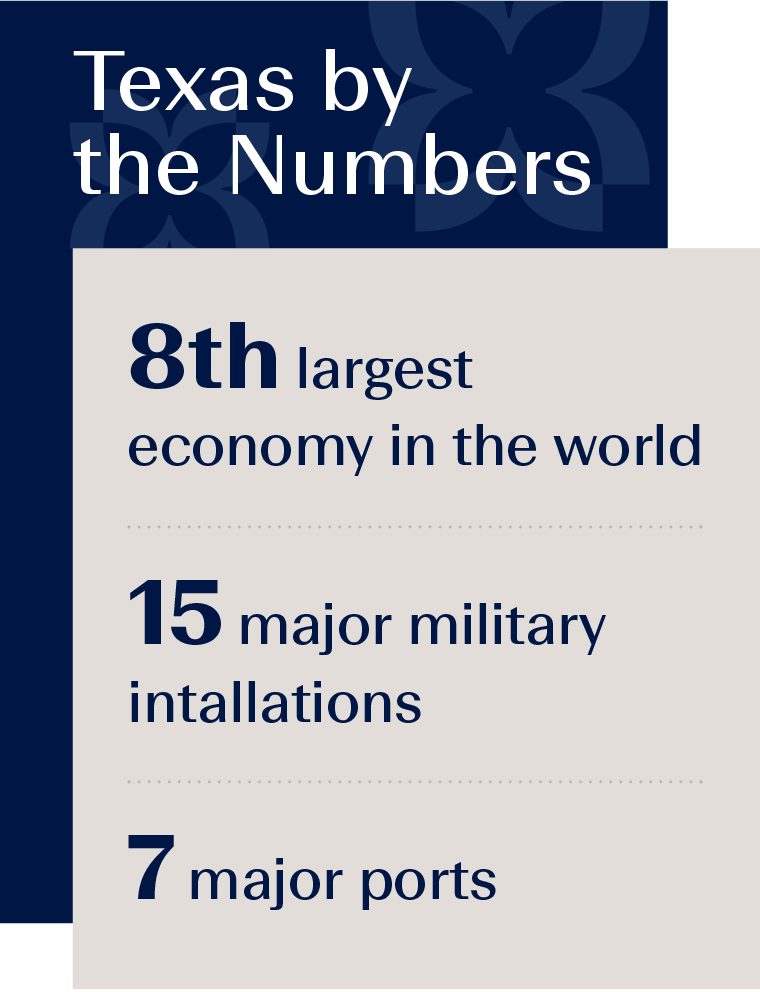

San Antonio: Where Texas Cyber Converges
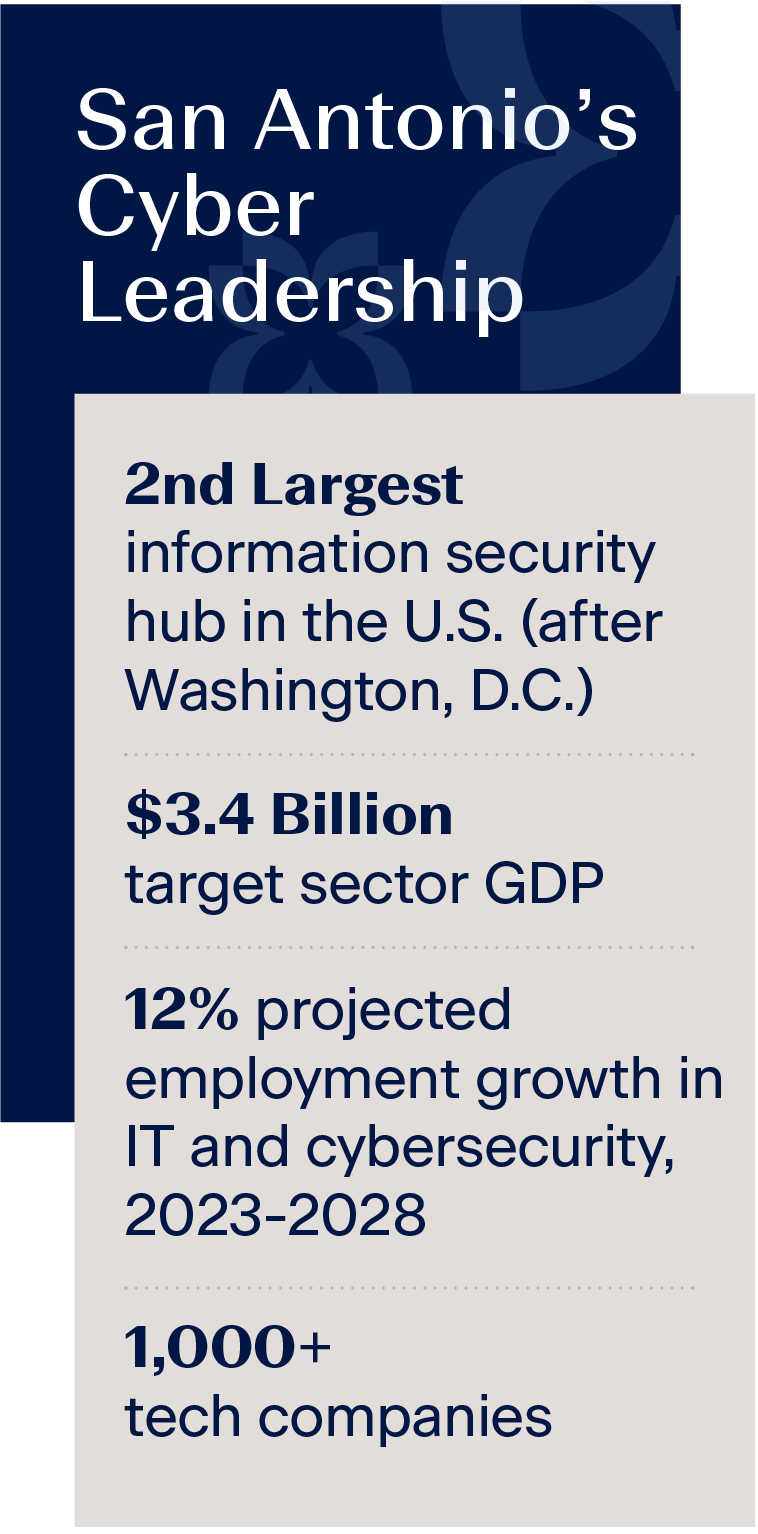
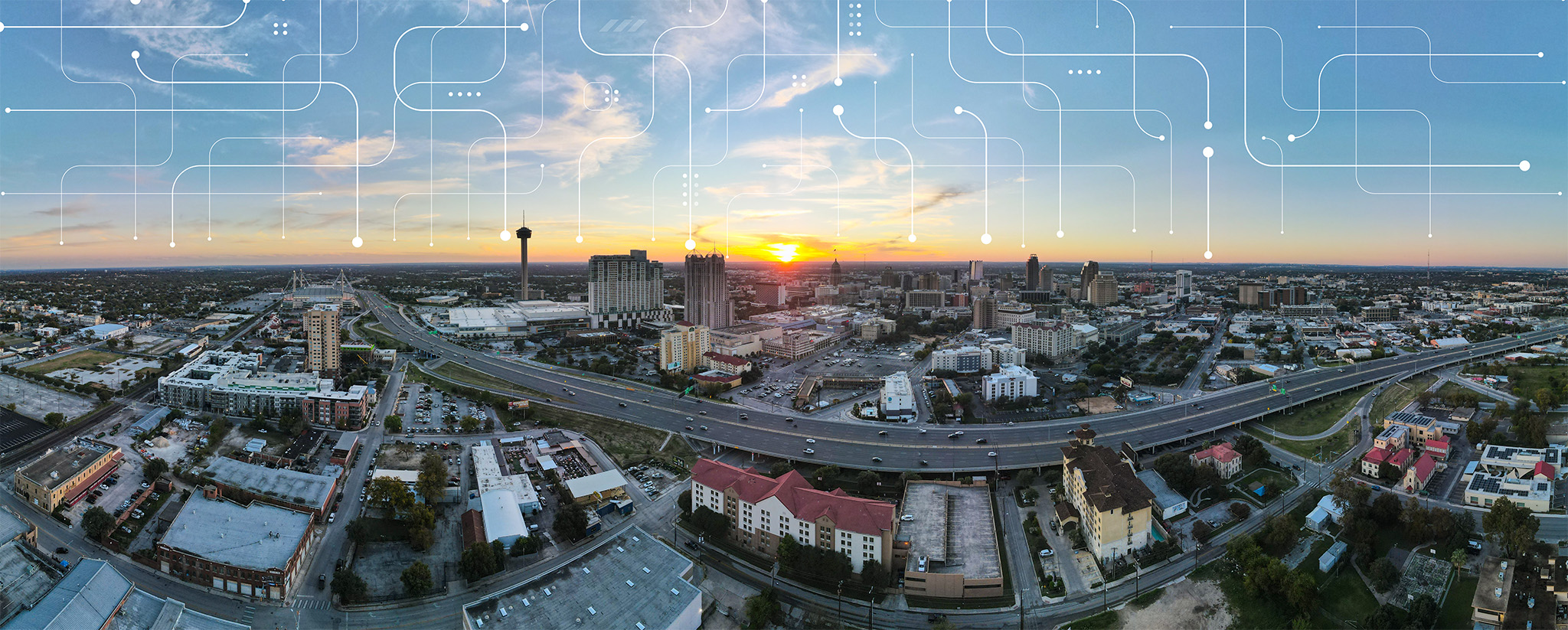
San Antonio’s unique combination of military operations, research institutions, and health and technology companies has created one of the strongest cybersecurity communities in the country.
At the heart of this ecosystem is UT San Antonio, the region’s flagship and the third-largest public research university in the state. This growing cybersecurity powerhouse attracts talent from around the globe, boasting recognition from the National Security Agency and Department of Homeland Security for cybersecurity research excellence and a large community of cyber innovators supported by dozens of labs and research centers.


In San Antonio, military expertise, academic research, and industry innovation operate within the same cybersecurity ecosystem.
Protecting What Texans Rely on Every Day
Cybersecurity becomes real when it disrupts the systems communities depend on such as water treatment facilities, hospitals, local governments, and emergency response systems.
These services need around-the-clock protection to remain available, reliable, and secure. Spearheading this effort is the Cybersecurity Manufacturing Innovation Institute (CyManII), a Department of Energy-funded institute headquartered at UT San Antonio.
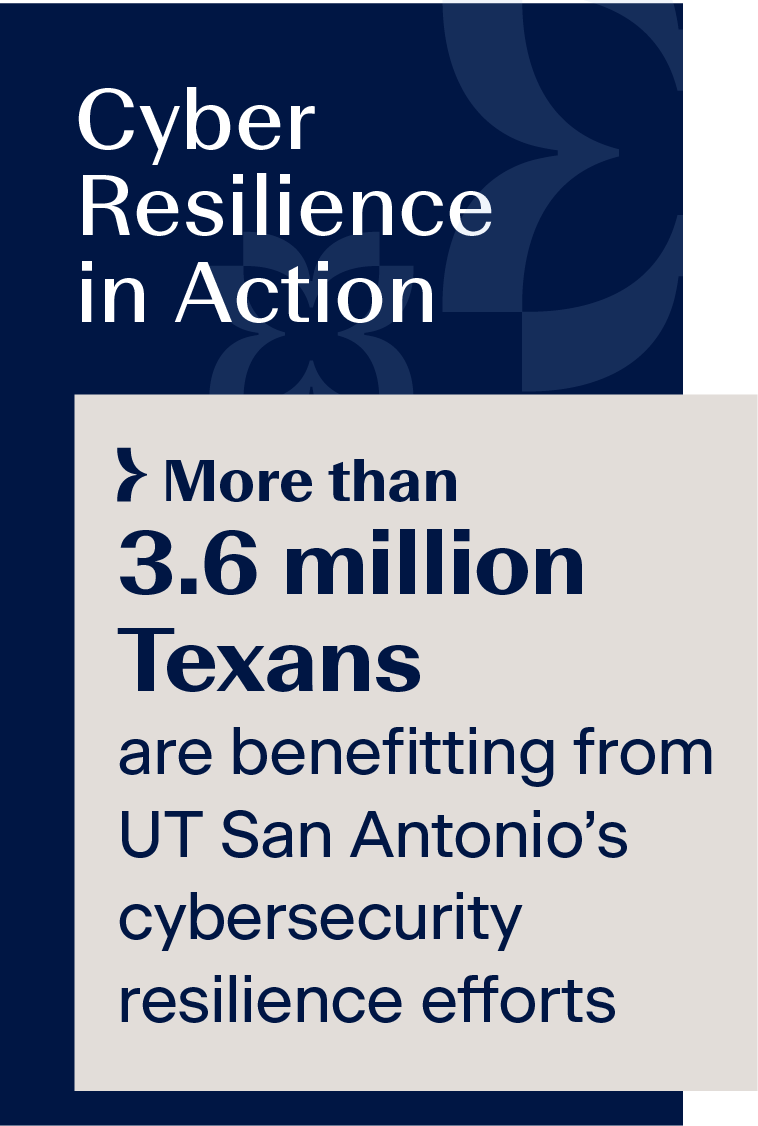
CyManII’s programs across Texas are helping communities strengthen cyber resilience through training, exercises, and real-world preparation.
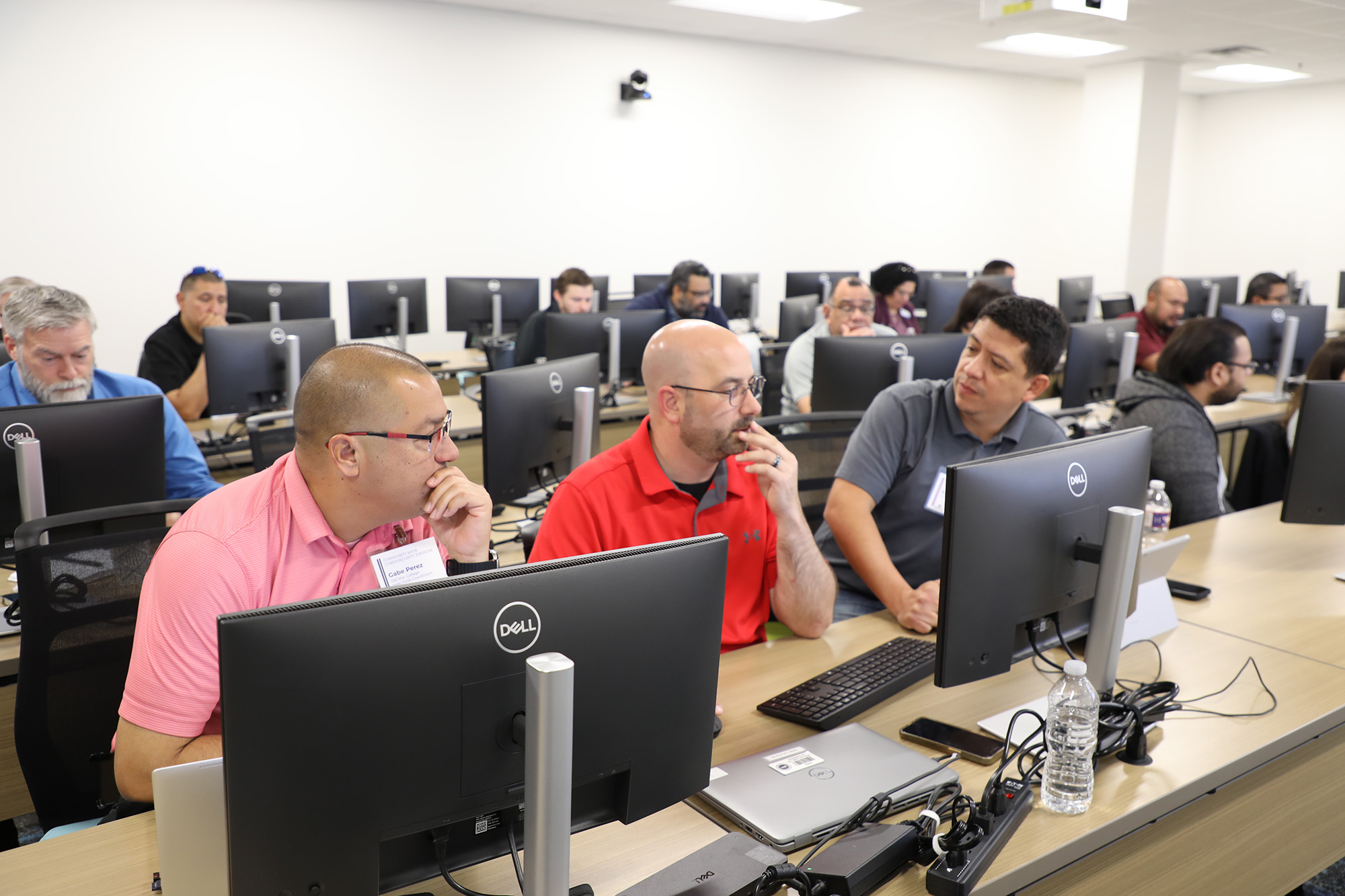
In cities such as Corpus Christi, Eagle Pass, and El Paso, CyManII has delivered intensive cybersecurity exercises to prepare local organizations, like the Maverick County Hospital District and local water works systems, to respond to attacks on critical infrastructure in real time.
When the water treatment plant in Mission, Texas, was compromised by a foreign adversary, CyManII came to provide hands-on training and help municipal leaders build an emergency cyber response playbook.
By delivering this valuable training on-site through CyManII’s Mobile Training Vehicle, experts are closing knowledge gaps and ensuring that those who manage our most vital resources are prepared for the destructive nature of cyber threats.
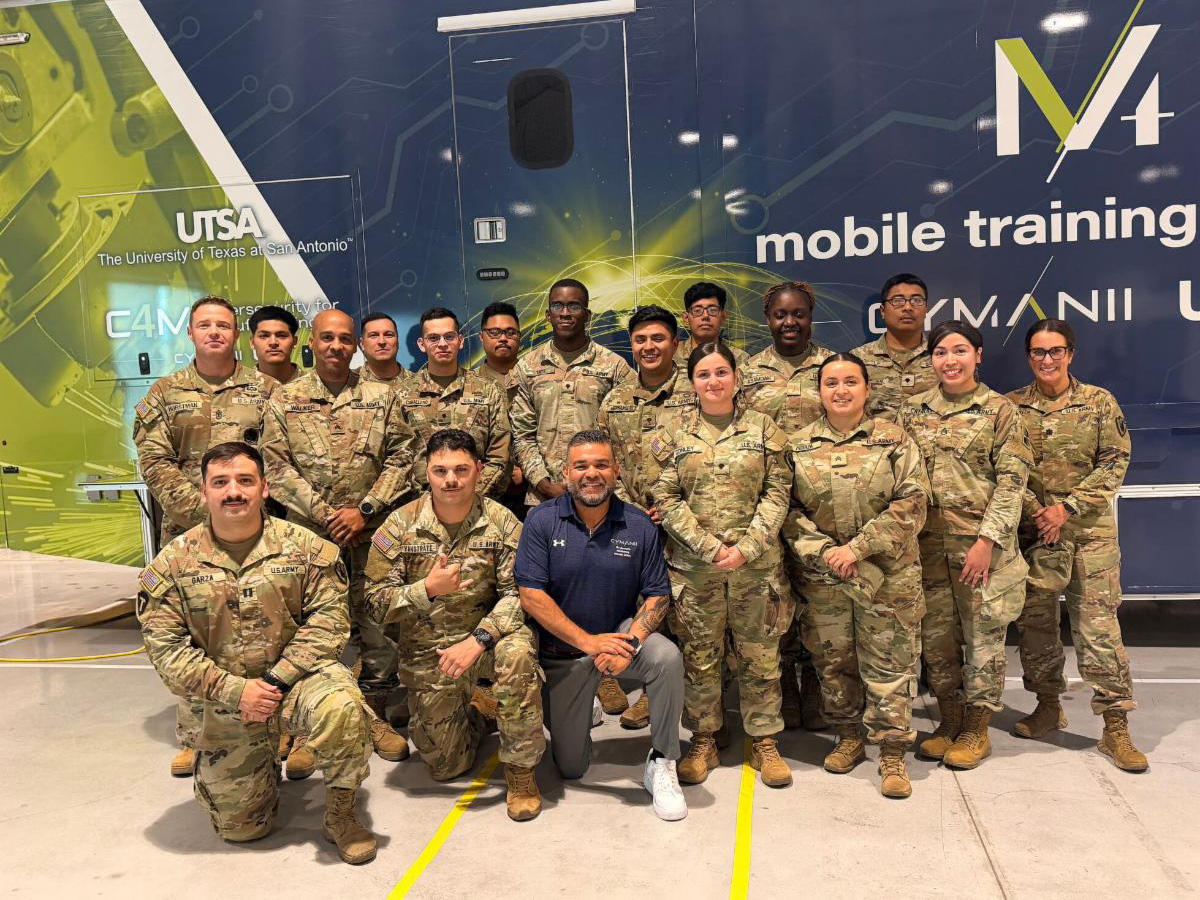


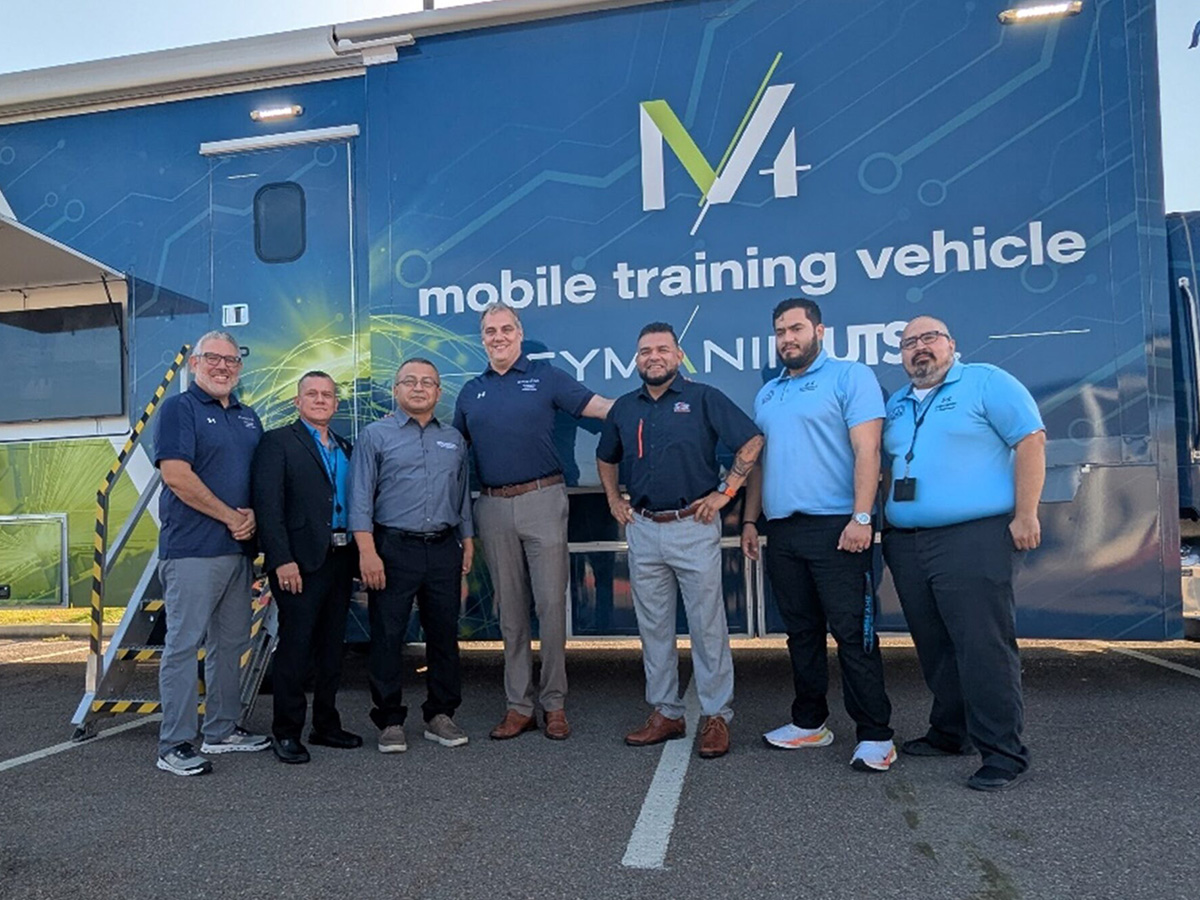

“Cybersecurity threats don’t stop at big cities or federal agencies. They impact every community that depends on reliable power, clean water, emergency services, communications, and other critical services. These training exercises give local leaders and technical teams the opportunity to work through realistic cyber incidents together before a real crisis happens.”
—Ed McCormick, Regional Innovation Officer, CyManII
Securing the Future of American Manufacturing
Manufacturing is one of the most important engines of Texas’s economy, but it is also one of the biggest targets of cyberattacks.
Modern factories depend on connected machines, digital supply chains, and automated systems. Protecting those systems requires cybersecurity to be built into products and processes from the very first stages.

A Digital Passport for the Modern Supply Chain
Across the nation, the supply chain is rife with vulnerabilities—stages in the production and shipping process where critical parts and intellectual property can be intercepted. To combat these vulnerabilities, CyManII’s scientists developed the Cyber Physical Passport, a system to help manufacturers track and verify critical information about products, components, and processes.
Through this and other research and development initiatives, the institute is strengthening trust throughout the lifecycle of manufactured goods, protecting Americans from dangerous, defective products and safeguarding U.S. manufacturers from intellectual property theft.
Cybersecurity begins at design.

.jpg)
Cyber Defense for Main Street
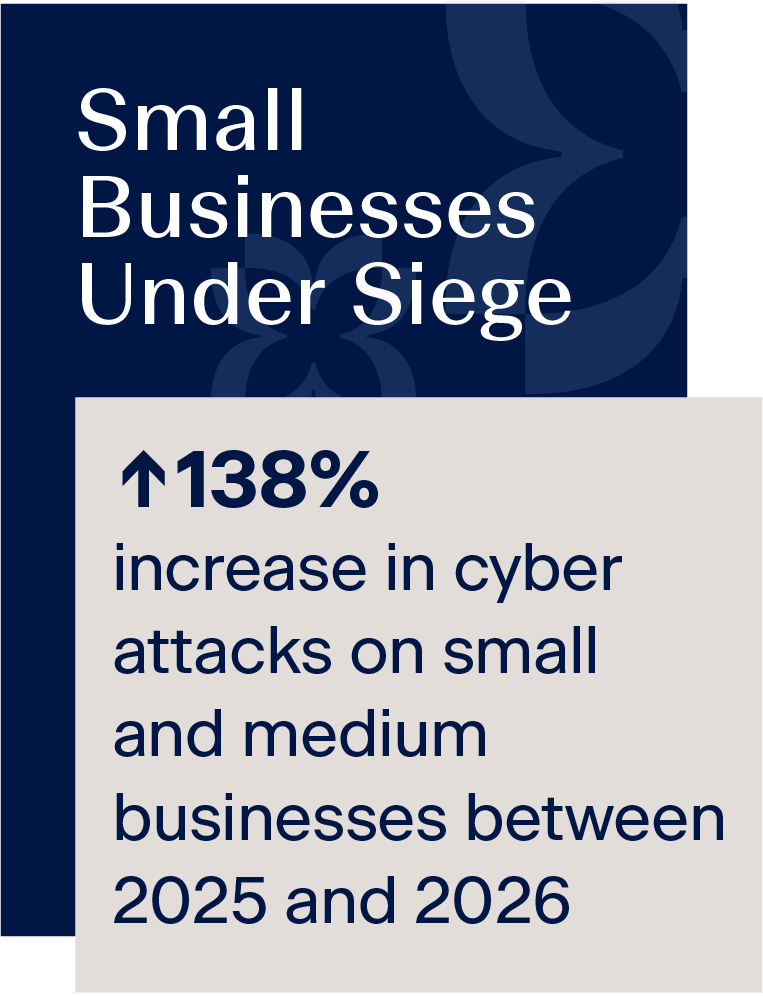
While cybersecurity threats on large, recognizable companies tend to break headlines, small businesses are just as vulnerable, often being targeted for weaknesses in their digital systems, payment networks, cloud platforms, and supply chains.
The Texas Small Business Cybersecurity Advocacy Center, operating within UT San Antonio, helps smaller organizations understand their risks, improve their protections, and build stronger digital practices.
The center also provides statewide cybersecurity training and education, one-on-one advising and cybersecurity assessments, and access to cybersecurity experts and resources.
.jpg)
Fortifying the Future: Training Tomorrow's Cyber Leaders
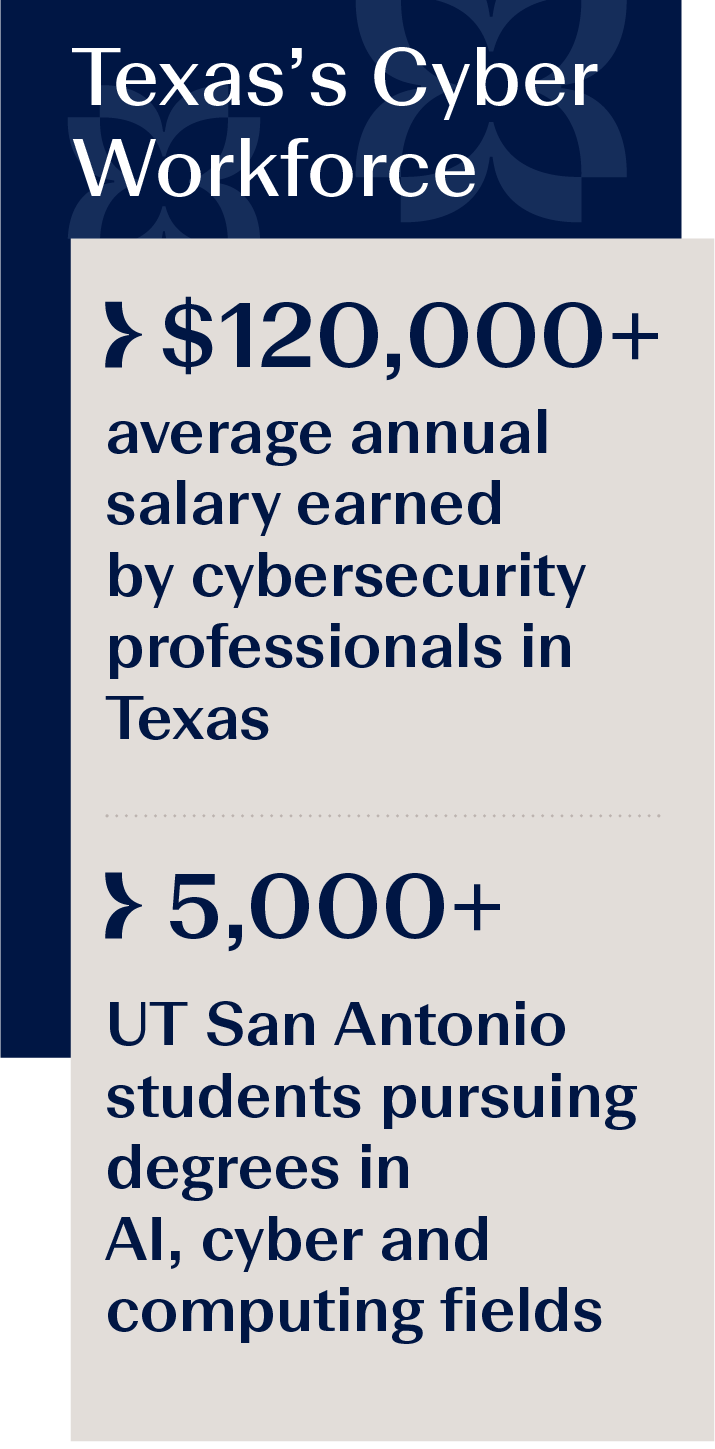
With cybersecurity jobs in Texas paying over $120,000 on average, the state is attracting top-tier talent from across the globe. And the state is not just importing talent—it’s building that in-demand workforce right at home.
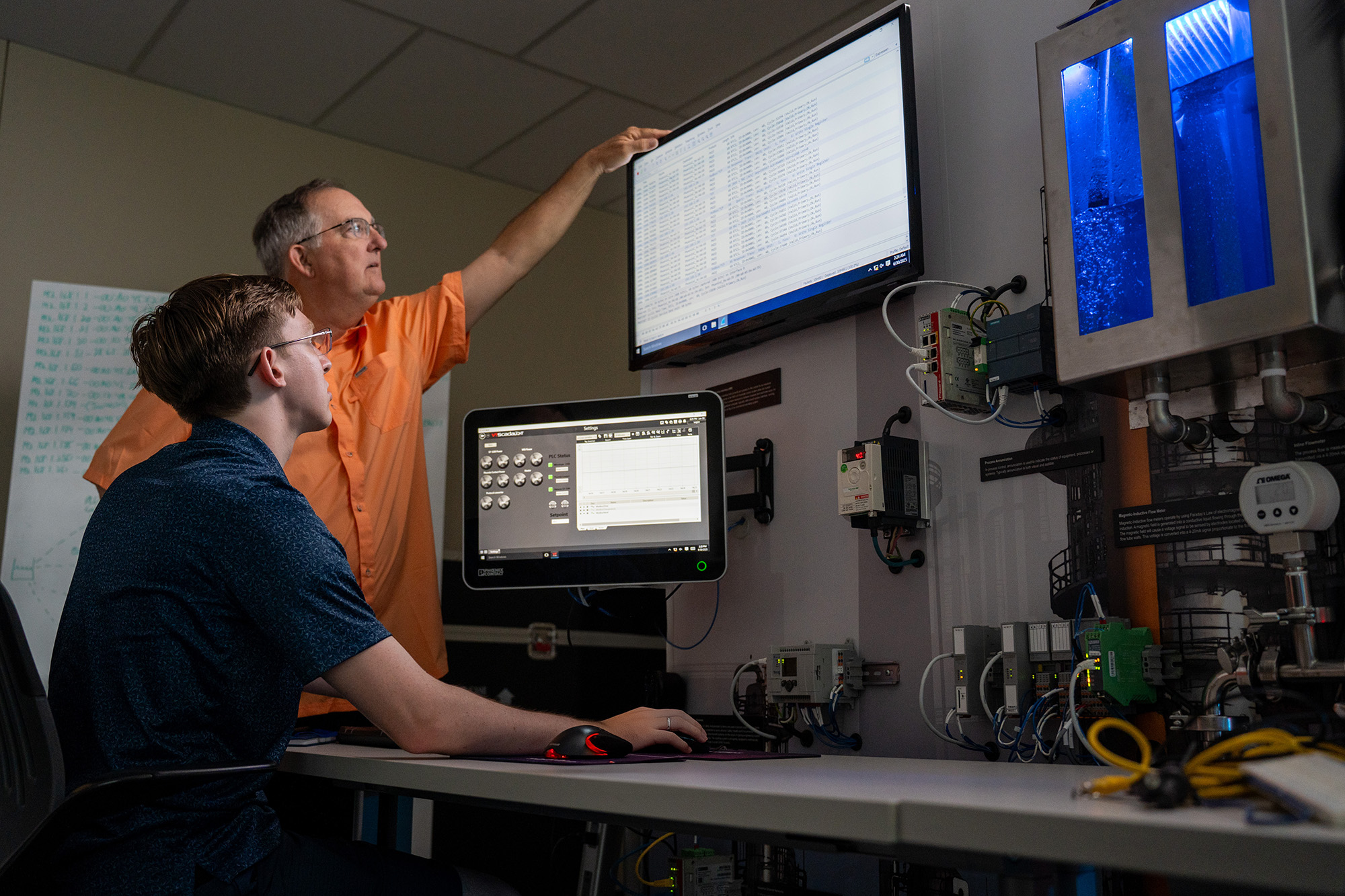
Leading that charge is UT San Antonio’s College of Al, Cyber and Computing. With more than 5,000 students and growing, the college is preparing one of the nation’s largest pipelines of talent in data science, artificial intelligence, and cybersecurity to meet rapidly increasing workforce demand. Through a comprehensive portfolio of bachelor’s, master’s, and doctoral degree programs, students gain the advanced knowledge and practical experience needed to protect critical infrastructure, strengthen digital resilience, and defend the technologies that power our economy and national security. In doing so, UT San Antonio is educating the professionals who will secure tomorrow’s digital world.


Training Beyond the Classroom
UT San Antonio’s distinctive cybersecurity education extends to established professionals across a variety of workforce sectors. Personalized training programs have supported law enforcement, government employees, and industry professionals preparing for evolving digital threats. One recent initiative equipped more than 300 digital forensics investigators with the skills to extract evidence from a variety of smart devices, from Ring doorbells to robotic vacuums.


Texas's Digital Future Starts Here
Texas has the scale, expertise, and partnerships needed to lead the next era of cybersecurity. From protecting critical infrastructure to training the cyber workforce, the state is building a model where innovation and security grow together.
UT San Antonio sits at the center of that ecosystem, connecting military expertise, academic research, and industry collaboration to secure the state’s competitiveness as a global economic leader.

Protecting today's systems.
Training tomorrow's defenders.
Preparing for what comes next.

The University of Texas at San Antonio is a nationally recognized, top-tier public research university that unites the power of higher education, research and discovery, and healthcare within one visionary institution. As the third-largest public research university in Texas and a Carnegie R1-designated institution, UT San Antonio is a model of access and excellence—advancing knowledge, social mobility, and health across South Texas and beyond.